
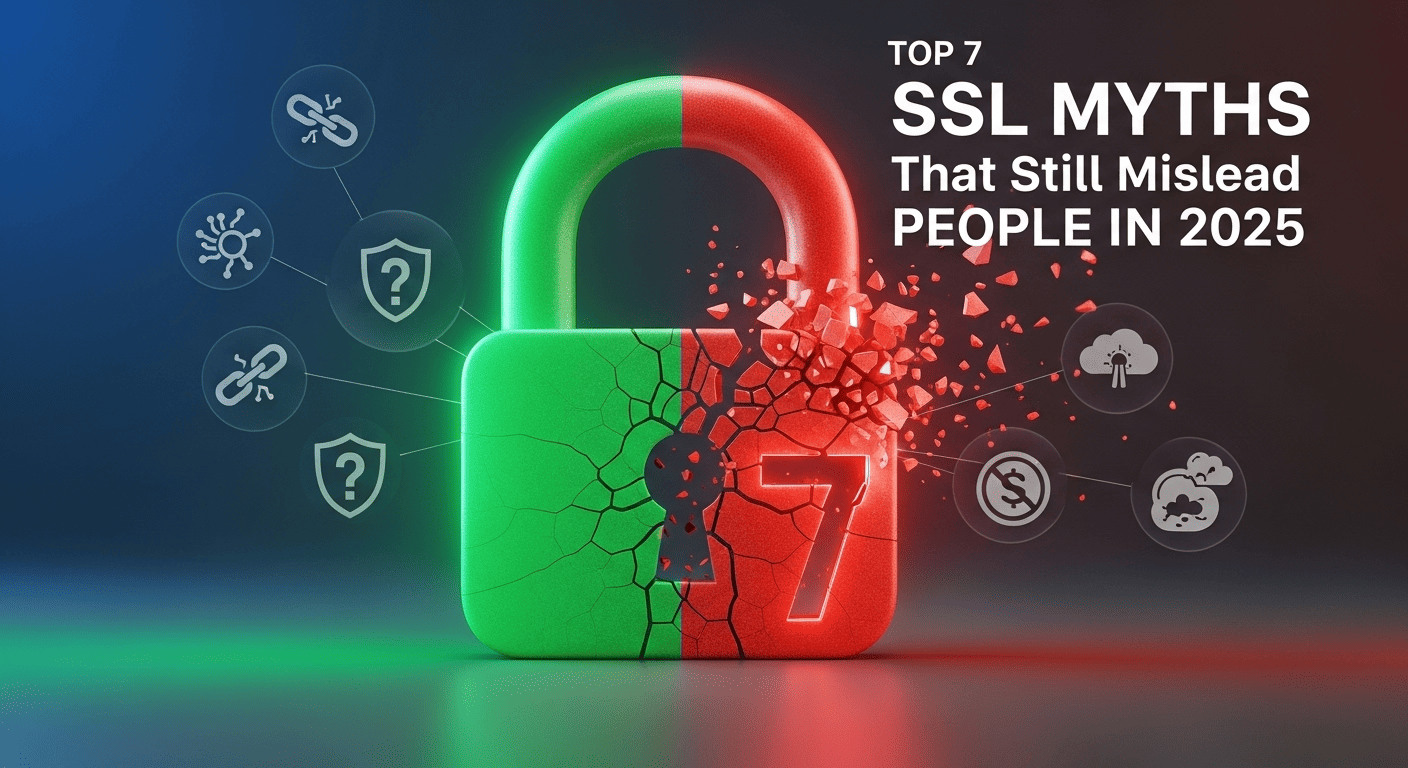
Many people still misunderstand how SSL really works, leading to confusion in today’s digital world. As online security continues to evolve, SSL certificates remain essential for protecting sensitive information. Yet, despite their widespread use, several myths and misconceptions persist about their purpose and effectiveness. Entering 2025, it’s more important than ever to clear up these false beliefs, so both website owners and users can better understand SSL’s vital role in securing data and building online trust. In this article, we’ll uncover seven of the most common SSL myths and offer insights to help you strengthen your website’s security.
Understanding SSL Certificates: Debunking Common Misconceptions
What Are SSL Certificates and Why They Matter
Many misconceptions about SSL certificates often lead people to misinterpret their actual purpose. In essence, SSL (Secure Sockets Layer) certificates are small pieces of data installed on a web server that establish an encrypted connection between the server and a user’s browser. Think of it as a digital handshake ensuring that all information exchanged between a website and its visitors remains private and secure from cyber intruders. Beyond data protection, SSL certificates also enhance user confidence and boost a website’s credibility.
How SSL Works
One of the most common SSL myths is the belief that encryption is overly complex or unnecessary. In reality, the mechanism is straightforward yet highly effective. When you visit a website secured with SSL, your browser initiates a handshake with the server, exchanging cryptographic keys to establish trust. Once completed, every piece of data is encrypted, much like locking your information inside a vault that only the intended receiver can open. This secure connection prevents unauthorized access to your private communications or transactions, reinforcing why SSL remains a critical safeguard in online security.
SSL Myths #1: SSL Certificates Are Only for Online Stores
A widespread misconception about SSL is that it’s necessary only for e-commerce websites. This belief is as outdated as the era of dial-up internet. In truth, SSL certificates are crucial for all kinds of websites, whether you’re running an online shop, publishing blog posts, or displaying a digital portfolio. In an age where privacy and data security are top priorities, even personal sites benefit from SSL protection. Simply put, if your website is online, it needs to be secured.
SSL Myths #2: Free SSL Certificates Provide Equal Security to Paid Versions
A common misconception about SSL is that free certificates deliver the same level of protection as paid ones. While free solutions such as Let’s Encrypt do enable encryption, they often lack essential advantages like dedicated customer support, advanced validation, and premium security features. In contrast, paid SSL certificates undergo stricter verification by trusted Certificate Authorities, offering higher credibility and stronger assurance to website visitors.
Free SSLs typically provide only basic domain validation, shorter validity periods, and require frequent renewals, factors that may expose your website to potential security gaps. In the fast-paced cybersecurity landscape, relying solely on a free SSL might not be enough. Before deciding, consider whether your website deserves more than just a basic, one-size-fits-all protection.
SSL Myths #3: SSL Certificates Are Only for Websites That Collect Personal Data
A widespread misconception about SSL is that it’s only necessary for sites handling sensitive or financial information. In reality, SSL benefits every website, no matter its purpose. Beyond encrypting data, SSL boosts SEO performance, enhances credibility, and gives visitors confidence that their connection is secure. Even something as harmless as a site sharing funny cat memes can be hijacked by attackers if it lacks SSL, turning it into a platform for phishing or malware. Moreover, modern browsers like Chrome and Firefox now flag non-SSL sites as “Not Secure,” instantly damaging a site’s reputation. Neglecting SSL today isn’t just old-fashioned, it’s an open invitation to risk and loss of trust.
SSL Myths #4: SSL Certificates Don’t Need Maintenance After Installation
One of the most overlooked SSL Myths is believing that once installed, an SSL certificate takes care of itself. In truth, SSL certificates come with expiration dates, typically lasting one to two years, and must be renewed on time. If a certificate expires, browsers will display security warnings that can instantly drive visitors away. Maintaining SSL is similar to performing regular health checks, it keeps your website’s defenses in top shape. Periodic reviews of SSL configurations and security audits can help uncover vulnerabilities before attackers exploit them. Remember, SSL is not a one-time setup; it’s a continuous commitment to keeping your site safe, reliable, and user-friendly.
SSL Myths #5: SSL Certificates Make Websites Slower
One of the longest-standing SSL Myths is the belief that installing SSL certificates will slow down your website. While that concern may have been valid in the early days of the internet, today’s SSL technology (especially when combined with HTTP/2) actually enhances performance. With advanced features like multiplexing, SSL enables faster and more efficient content delivery, almost like giving your website a performance boost. Studies show that there’s virtually no speed difference between SSL-secured and non-SSL sites; in many cases, SSL-enabled sites even load faster. Plus, the SEO advantage of SSL means better visibility and more visitors. So, if someone still claims SSL drags down your site’s speed, it’s safe to say they’re holding onto an outdated myth.
SSL Myths #6: Every SSL Certificate Offers the Same Level of Protection
One of the most persistent SSL Myths is the idea that all SSL certificates deliver equal security. In reality, SSL certificates vary by validation level (Domain Validation (DV), Organization Validation (OV), and Extended Validation (EV)). DV serves as the most basic form, OV includes additional business verification, and EV provides the highest level of trust, signaling to users that your organization prioritizes security. The best choice depends on your website’s purpose: a personal blog might do well with DV, while an e-commerce platform handling sensitive data should opt for EV. Think of SSL certificates as locks, the stronger the validation, the tighter the protection and the greater the trust your visitors will feel.
SSL Myths #7: HTTPS Means Your Website Is Fully Secure
A common misconception among many SSL Myths is the idea that having HTTPS automatically makes a website completely safe. While SSL certificates play a vital role in encrypting data during transmission, they don’t shield your site from all threats, such as malware, vulnerable plugins, or poorly secured applications. Think of SSL as a strong lock on your front door. It keeps casual intruders out, but a determined hacker can still find another way in.
True cybersecurity requires multiple layers of protection: robust firewalls, regular system updates, malware monitoring, and proper employee awareness about safe password practices. Security isn’t a single solution; it’s a continuous process.
In essence, SSL is a crucial foundation, but not the entire fortress. By clearing up these SSL Myths and understanding both its strengths and limits, you can build a safer online environment, protect user data, and maintain trust in today’s ever-evolving digital world.
Conclusion: Strengthen Your Security Beyond SSL Myths
As we’ve seen, understanding the truth behind common SSL Myths is essential for building a truly secure digital presence. SSL certificates, while foundational, are only one part of a broader cybersecurity framework. The key is combining SSL with continuous protection, awareness, and trusted partnerships.
For businesses in Malaysia looking to enhance online trust and data security, DigiCert SSL Malaysia offers industry-leading SSL certificates backed by strong global encryption standards. From protecting sensitive data to boosting your website’s credibility, DigiCert ensures your online presence remains safe and reliable.
🔒 Secure your website today with DigiCert SSL Malaysia, where trust meets technology.